5 Common Myths About Cannabis Radio Frequency Decontamination – Debunked
Cannabis growers often encounter confusing claims about radio frequency (RF) decontamination, with some worrying it zaps flower like a microwave or strips away THC and terpenes. In reality, RF remediation is a gentle, non-ionizing post-harvest process that uses long-wavelength radio waves (27.12 MHz) to vibrate water molecules within the plant material. This motion generates controlled, uniform heat that reduces microbial contamination without chemicals or harsh irradiation.
RF-based thermal pasteurization is already used in USDA-compliant food operations and FDA-regulated facilities, where it is treated as a thermal process rather than irradiation. This article clarifies how RF decontamination works and addresses the most common myths surrounding its use in cannabis.
Myth #1: “Radio Frequency Is Dangerous Radiation That Will ‘Nuke’ My Weed”

Reality: Radio frequency remediation uses non-ionizing electromagnetic waves, which are fundamentally different from ionizing radiation such as X-rays or gamma rays.
Non-ionizing RF waves operate at low energy levels and reduce microbial bioburden through volumetric thermal heating, which denatures microbial proteins without altering molecular structures.⁴ Ionizing radiation, by contrast, sterilizes material through high-energy bombardment that can create charged particles and initiate chemical reactions, which is why it is regulated separately in food and agriculture.¹
In the United States, foods treated with ionizing radiation must carry the “radura” symbol on its packaging and are disqualified from organic certification under USDA National Organic Program rules.¹,² RF pasteurization is classified as a thermal process and is used in operations that meet FDA food-safety standards and USDA organic compliance frameworks.
In short, RF remediation is a controlled heat-based decontamination step similar to pasteurization. The concept of “nuking” is more closely associated with ionizing technologies, not radio frequency processing.
Myth #2: “It Kills THC and Terpenes. My Weed Will Lose Its Potency”
Reality: When properly managed, RF remediation preserves cannabinoids and terpenes. RF treatment raises flower temperature only to levels necessary to reduce microbial contamination, without reaching temperatures associated with decarboxylation or terpene volatilization.
Commercial RF systems continuously monitor internal product temperature using fiber-optic probes and automatically shut off once target thresholds are reached.⁴ This precise control prevents overheating while maintaining consistent treatment outcomes. Studies on thermal inactivation in herbal materials show that microbial reduction can be achieved without degrading key phytochemicals when temperature exposure is controlled.⁵
Growers using RF commonly report that treated flower retains its original aroma, appearance, and sensory profile, reflecting preservation of the plant’s natural chemical composition.⁴
Myth #3: “RF Remediation Is Basically Microwaving. It’ll Burn the Bud or Leave Cold Spots”
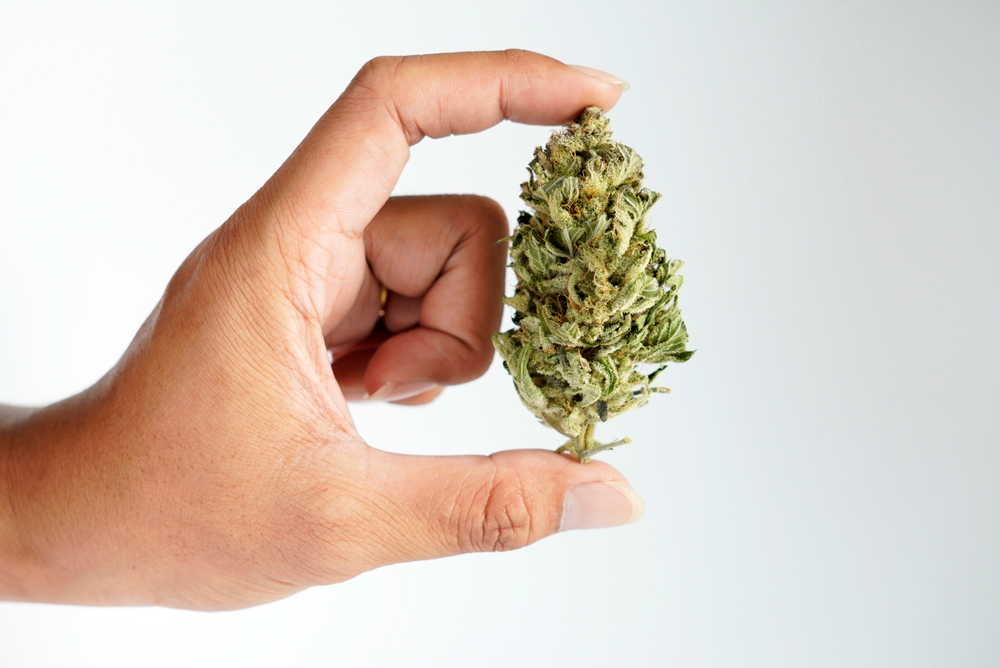
Reality: While both microwave (MW) and RF technologies are both non-ionizing radiation, their behavior and outcomes differ significantly.³,⁶
Microwaves operate at much shorter wavelengths, which is why household microwave ovens require a rotating plate to distribute energy across surfaces. RF waves are 100 times longer than MW, allowing them to penetrate deeply and evenly throughout cannabis flower.⁶
RF is the only technology in the radio wave spectrum that creates true volumetric heating. Its longer radio waves provide deep penetration of the flower, creating a uniform thermal profile from exterior to interior.⁶ Unlike conventional heating that needs a higher surface temperature to reach the interior of the plant, the ability to create volumetric heating is one of the unique characteristics of RF, and why it lends itself perfectly for cannabis flower. This uniformity eliminates cold spots that could allow microbes to survive, improving treatment consistency and regulatory reliability.³,⁶
Myth #4: “It Only Works on Fresh or Wet Buds. Dry Cannabis Won’t Get Sanitized”
Reality: RF remediation relies on the presence of moisture to generate thermal energy. When cannabis enters an RF field, polar molecules and ions associated with existing moisture rotate and oscillate in response to the electromagnetic field. This molecular movement converts electromagnetic energy into heat through friction and rotation, producing rapid, uniform temperature increases throughout the material.⁶
For processing Cannabis flower, the flower moisture content must be between 8% and 15%.⁶ At moisture levels below this range, RF can still achieve microbial reduction, but processing times increase in order to reach target temperatures, which can reduce throughput efficiency.⁶
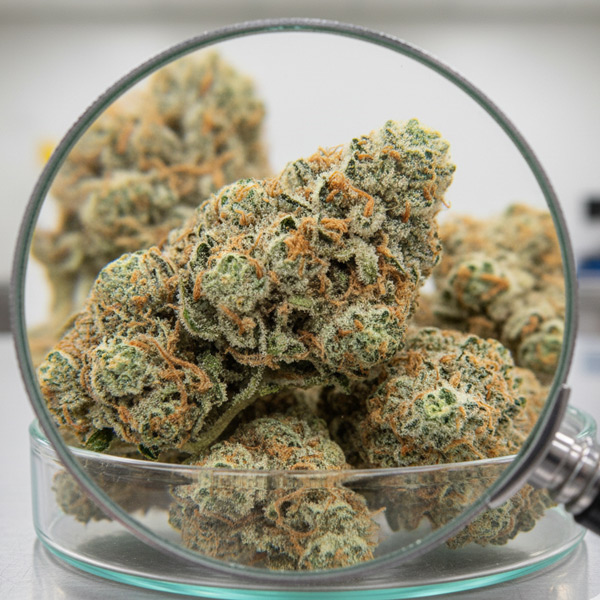
Myth #5: “Only Chemicals or X-Ray Can Kill All Pathogens”
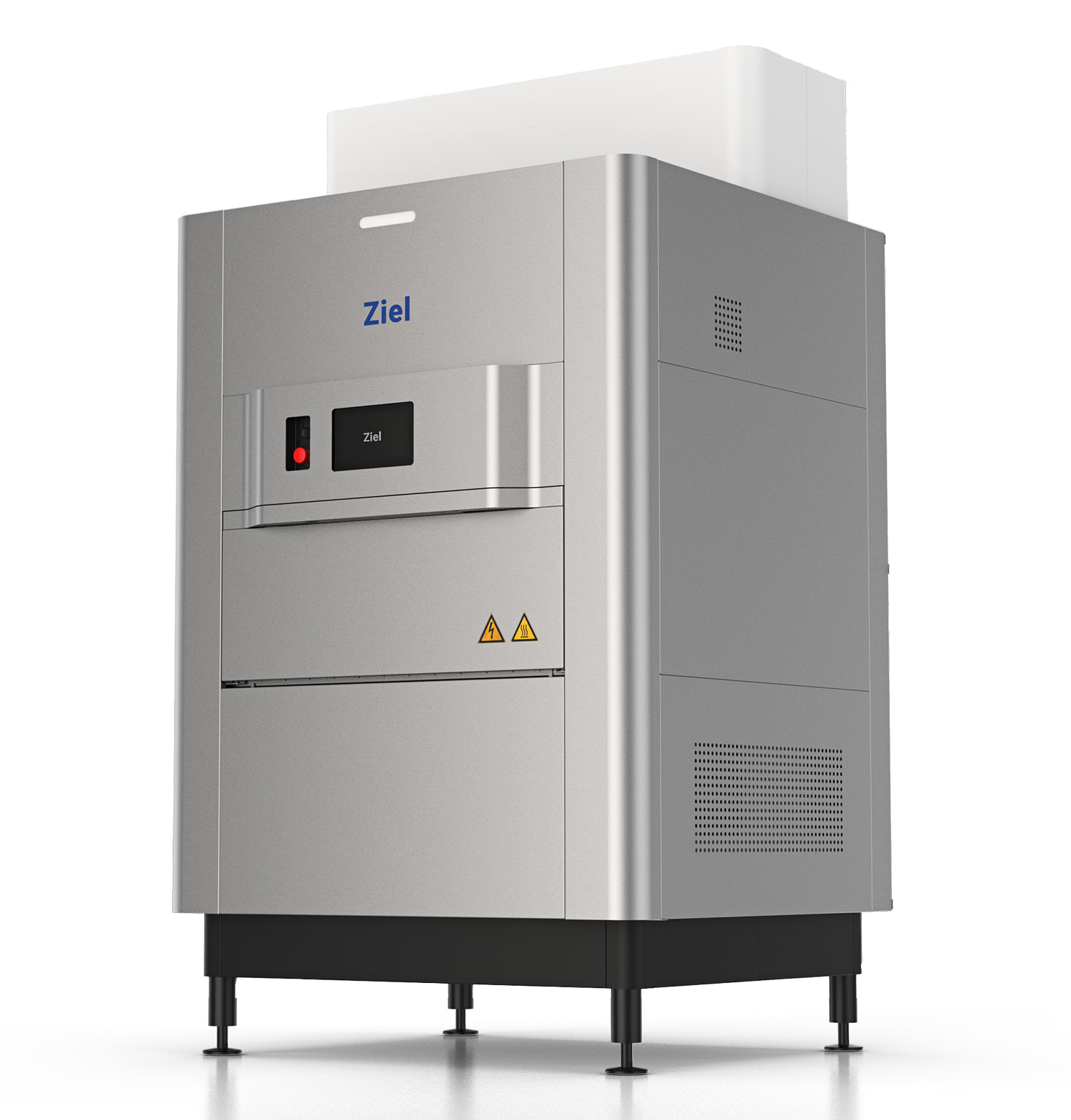
Reality: Across the United States and Canada, cannabis operators already use RF technology to meet microbial compliance thresholds established by regulators.
RF remediation is well suited for operators targeting predictable microbial reductions, commonly in the range of 3–5 log reductions, while preserving the plant’s organoleptic qualities. Unlike ionizing radiation or chemical treatments, RF reduces harmful microbes without fully sterilizing the product or altering its natural characteristics.
RF is particularly effective for cultivators with strong upstream controls who seek a chemical-free, non-ionizing solution that aligns with organic-compliant production practices.
Why It Matters: Ensuring Clean and Organic-Compliant Cannabis
To reach today’s market, cultivators must meet regulatory limits for heavy metals, pesticides, and microbiological contamination. While heavy metals and pesticide compliance are often addressed through sourcing and cultivation controls, microbial contamination remains a persistent challenge.⁷,⁸,⁹
Mold, yeast, and bacterial failures can reduce harvest yields, delay time to market, and impact profitability. At the same time, cultivators aim to preserve potency, aroma, flavor, and visual quality. Some decontamination methods can meet microbial targets but introduce tradeoffs. Gamma irradiation, for example, is effective for sterilization and used in certain medical markets, but requires labeling and may reduce volatile terpenes.¹
RF remediation offers a non-ionizing, chemical-free alternative that reduces microbial contamination while maintaining the flower’s natural chemical and sensory profile.³,⁴,⁵
As the cannabis industry continues to mature, demand is trending toward validated, non-ionizing decontamination technologies that support quality-driven and organic-compliant production standards. Ziel’s decontamination solutions operate commercially throughout the European Union and North America, building on a long-standing foundation in regulated food processing applications.
Footnotes
- U.S. Food and Drug Administration. Food Irradiation: What You Need to Know.
https://www.fda.gov/food/buy-store-serve-safe-food/food-irradiation-what-you-need-know - USDA National Organic Program. 7 CFR §205.105 – Prohibited Practices.
https://www.ecfr.gov/current/title-7/subtitle-B/chapter-I/subchapter-M/part-205/subpart-B/section-205.105 - ICNIRP. Guidelines for Limiting Exposure to Electromagnetic Fields (100 kHz–300 GHz), 2020.
https://www.icnirp.org/cms/upload/publications/ICNIRPrfgdl2020.pdf - Cannabis Tech. Radio Frequency: Kills Microbial Life, Keeps Terpenes and THC Intact.
https://cannabistech.com/articles/radiofrequency-patent-kills-microbial-life-keeps-terpenes-and-thc-intact/ - PubMed. Smelt JPPM, Brul S. Thermal inactivation of microorganisms. Critical Reviews in Food Science and Nutrition. 2014;54(10):1371–1385
https://pubmed.ncbi.nlm.nih.gov/24564593/ - Stalam S.p.A. Sanitisation of Cannabis with Radio Frequency.
https://www.stalam.com/en/pharma-cosmetics/sanitisation-of-cannabis/ - ASTM International, Committee D37. Cannabis Microbial Contamination Standards.
https://www.astm.org/news/standard-to-help-reduce-contamination-of-cannabis - California Department of Cannabis Control. Testing Laboratories.
https://cannabis.ca.gov/licensees/testing-laboratories/ - Health Canada. Heavy Metal and Microbial Testing Limits for Dried Cannabis.
https://www.canada.ca/en/health-canada/services/drugs-medication/cannabis/industry-licensees-applicants/updates-cannabis-industrial-hemp/2020-12-30-heavy-metal-microbial-testing-limits.html