The 10-Year Levelized Cost of Cannabis Processing: Radio Frequency vs X-Ray
Here is what radio frequency and X-ray really cost per pound to process.
Every licensed producer eventually faces the same post-harvest decision. Flower carries a microbial load above the limit its market allows, and it needs a kill step before it can pass testing and reach the shelf. The question is not only which technology passes the test. It is which technology passes the test at the lowest cost per pound, year after year, at commercial volumes.
Purchase price answers almost none of that. A machine that costs more or less the same but processes a quarter of the volume, draws far more power, and hits warranty limits early can cost several times more over a decade of use. To compare systems honestly, you must level the field. Mature industries use Life Cycle Cost Analysis when evaluating large CAPEX. The cannabis industry is now starting to apply the same rigor in its decision making.
Levelized Cost of Processing
The total lifetime cost of a system, the upfront capital plus every operating expense over the life of the system, divided by the total pounds of flower processed over the service life is the Levelized Cost of Processing (LCOP). It converts an uneven mix of one-time and recurring costs into a single, comparable number: dollars per pound. It is the same methodology the energy industry uses when it compares power sources with levelized cost of electricity.
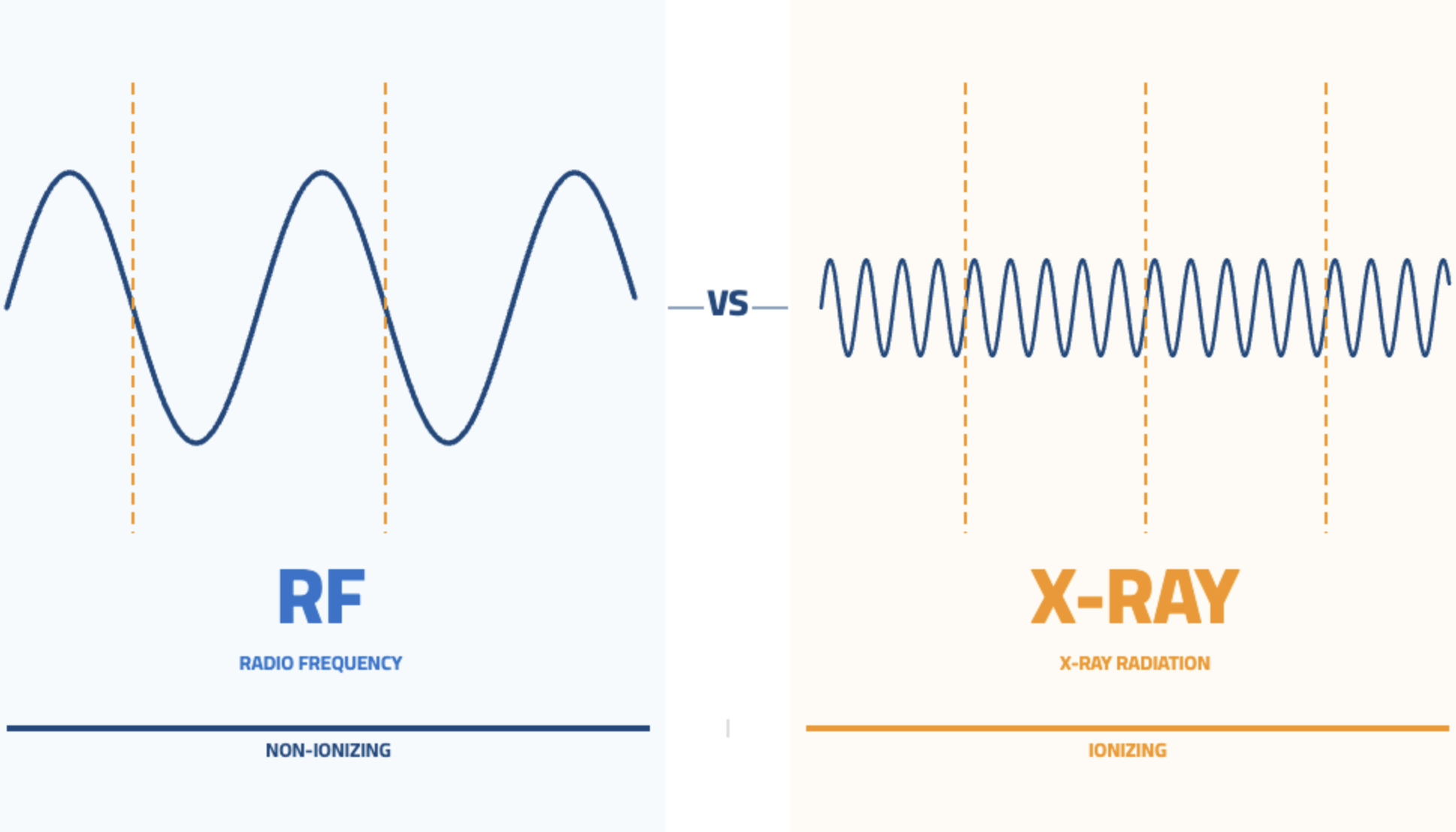
Two Systems, Two Very Different Wavelengths
This comparison looks at two market-leading systems that were installed side by side at a United States multi-state operator, so the operating assumptions reflect one real facility rather than two vendor spec sheets.
Ziel RFX and APEX 7 use radio frequency, a form of non-ionizing radiation. RF energy heats flower volumetrically from the inside, reducing yeast, mold, and bacteria in short cycles without an added radiation license or facility shielding. Because it is non-ionizing, RF avoids the labeling and permitting complexity attached to ionizing methods.The RFX and APEX 7 units run 15-minute cycles and run continuously for 24 hours with no breaks. It has a ‘100% duty cycle.’
Rad Source RS 420 XL uses X-ray, a form of ionizing radiation. It reduces microbial load in long batch cycles inside a shielded cabinet. X-ray is effective, draws substantially more power, and carries a warranty capped in both years and run hours.The RAD unit has a 50% duty cycle: it requires a rest period equal to the process cycle run time.
For flower with high-microbial loads a 12-hour cycle is required. Low-microbial loads run for 6-hour cycles. With the duty cycle limitation, only 1 12 hour or 2 6 hour load can be run in a 24 hour cycle.
Both the 12 and 6 hour cases are compared against a single Ziel RF system.
The Headline Numbers
Ziel RF
$3.23
Per Pound
X-ray, low microbial
$6.28
Per Pound
X-ray, high microbial
$10.87
Per Pound
Against high-microbial X-ray, Ziel RF costs 70% less per pound. Against the more favorable low-microbial X-ray case, RF still costs about half as much. The gap does not come from one line item. It compounds across throughput, energy, labor, facility work, and warranty.
The Full 10-year Comparison
| Factor | Ziel RF | X-ray (High Microbial) | X-ray (Low Microbial) |
|---|---|---|---|
| Technology | Non-ionizing (RF) | Ionizing (X-ray) | Ionizing (X-ray) |
| Cycle time | 15 minutes | 12 hours | 6 hours |
| Capital cost | $360,000 | $405,000 | $405,000 |
| Facility upgrades | None | $20,000 | $20,000 |
| Annual service plan (from year 2) | $24,000 | $39,500 | $39,500 |
| Power per cycle | 4 kWh | 180 kWh | 180 kWh |
| Electricity per cycle | $0.80 | $36.00 | $36.00 |
| Lifetime pounds processed | 273,504 | 69,930 | 139,860 |
| Total cost of ownership | $884,419 | $760,104 | $878,208 |
| Levelized cost per pound | $3.23 | $10.87 | $6.28 |
Source: Ziel 10-year levelized cost model, USD per pound. Both systems installed at one United States multi-state operator. Assumes 222 processing days per year, $0.20 per kWh, and $20 per hour fully loaded labor.
Why the Gap is so Substantial
Throughput is the Biggest Lever
A Ziel RF system runs a 15-minute cycle and processes up to 480 pounds of flower in an 24-hour shift. The Rad Source unit runs one 12-hour cycle or two 6-hour cycles in a 24-hour day. Over the model's service life, the RF system processes 273,504 pounds against 69,930 pounds for high-microbial X-ray. That is nearly four times the volume from one machine. Because levelized cost divides total cost by total pounds, higher throughput lowers the cost of every pound that follows.
Energy is a 45-to-1 Difference
Each RF cycle draws 4 kWh and costs about 80 cents in electricity. Each X-ray cycle draws 180 kWh and costs $36. That is a 45-to-1 gap per cycle. Even though X-ray runs fewer cycles, its power draw makes electricity a recurring line item that RF simply does not carry at the same scale.
Facility Work and Warranty Limits
X-ray requires $20,000 in facility upgrades to house a shielded ionizing system. RF requires none. The Rad Source warranty is also capped at 10 years and 22,400 run hours. A facility running the unit hard reaches those run hours before the decade is out, which introduces supplemental costs from equipment wear that an inline RF system running short cycles does not face on the same timeline.
Warranty and Labor
The X-ray service plan runs $39,500 per year against $24,000 for RF. Labor tracking runs hours and cycle supervision, so a system that processes more per hour spreads its labor across more pounds. Every one of these factors points the same direction, and together they produce the per-pound gap.
Roughly $764,000 saved per 100,000 pounds
At these levelized rates, processing 100,000 pounds of flower costs about $323,000 with Ziel RF, $628,000 with low-microbial X-ray, and $1,087,000 with high-microbial X-ray. For a producer moving real volume, the choice of kill step is a seven-figure decision over the life of the equipment.
See the full Ziel business case for the complete return-on-investment picture behind these numbers.
Lower Cost Does Not Mean Lower Quality
A cost advantage only matters if the cheaper method protects the product. In a side-by-side study at the same multi-state operator, five commercial strains from one harvest batch were processed with Ziel RF and with Rad Source X-ray, then tested by a single laboratory.
The result: negligible differences in moisture, potency, and terpenes between untreated flower, RF-treated flower, and X-ray-treated flower, with microbial reduction achieved in each case.
In other words, RF matched X-ray on the quality attributes that buyers pay for, while processing nearly four times the volume at a fraction of the cost per pound. The economic advantage does not come at the expense of the flower.
The Non-ionizing Advantage Beyond Cost
Radio frequency is non-ionizing, and that distinction carries weight past the spreadsheet. Ionizing methods can trigger labeling requirements, permitting, and shielded facility infrastructure, and in some markets they can affect how a product is classified. A non-ionizing thermal kill step avoids that added regulatory surface while still reducing total yeast and mold count and other targeted pathogens. For producers preparing flower for markets with strict release standards, keeping the process non-ionizing removes friction that has nothing to do with price and everything to do with getting product to market.
How This Was Calculated
Figures come from Ziel's levelized cost of processing model, expressed in United States dollars per pound. Both systems reflect a real installation at one multi-state operator. The model assumes 222 processing days per year, electricity at $0.20 per kWh, and fully loaded labor at $20 per hour.
Ziel operating cost includes a $1.85 processing bag per batch and a service plan of $24,000 per year beginning in year two. Rad Source operating cost includes a $39,500 annual service plan and supplemental costs once cumulative run hours exceed the 22,400-hour warranty limit. Levelized cost per pound is total capital plus lifetime operating cost divided by total pounds processed over the system's service life. Your numbers will vary with local power rates, labor cost, harvest volume, and incoming microbial load.
Calculate Your Savings
Walk through the numbers in the Ziel business case, then share your volume, power rate, and target markets and our team will build a levelized cost estimate for your facility.