Germany’s medical cannabis market is racing toward 600 tons of annual imports
by MMJ Daily
For all the uncertainty that usually surrounds cannabis forecasts, the German medical market has become unusually predictable. The import numbers keep climbing, Canada keeps filling the pipeline, and nobody in the supply chain shows any intention of slowing down. According to Arthur de Cordova, CEO of Ziel, the trajectory is already clear enough to put a number on it. Arthur was a Country Manager for AstraZeneca, and brings a big pharma perspective to cannabis, a market he has been working in for 10 years."Germany is heading toward 600 tons of annual imports, and it is heading there fast."
Recent quarterly data points in the same direction. Canada continues to function as the engine of Germany's medical cannabis supply. Then come Portugal and Denmark, followed by a long flat line of smaller contributors like Malta and North Macedonia. "Canada is a mammoth export market," Arthur says. "If it is shipping large volumes to Germany, it tells you something about where the opportunity is."

Germany is moving faster than expected
Arthur points to what happened in 2024 and 2025. As Germany expanded its prescribing base through the CanG reforms, and as telemedicine opened the doors to a far larger set of legitimate patients, imports exceeded the prior annual export caps. Those caps have already been raised. "Some people ran the math," he says. "At this pace of growth, we need more capacity. It is the clearest sign the market has not reached equilibrium."
A comparison he likes to use is Michigan, a mature rec market with 8 million consumers. Michigan consumes around 145 tons of flowers and prerolls, which is roughly 45 percent of the entire market volume there. "Extrapolate Michigan's per capita consumption to Germany and you get a theoretical figure of 1,450 tons. Of course, Germany is medical, not rec. It will never reach Michigan's saturation. But if Germany reaches even 50 percent of that benchmark, the result is still enormous. Germany is tracking to 200 tons already," he says. "Once the market clears the first turn on the track, you see the line pointing straight to 600 tons within two years."
The only major risk factor would be a pullback in telemedicine. Poland tried that, the market shrank overnight, and then recovered as soon as telemedicine returned. "The genie is out of the bottle," Arthur adds. "Doctors are prescribing, patients are accessing care, and the system is not going back to the old restrictions. This is exactly how every US state evolved. Medical first, then wider adoption. The horses have left the barn."
The limits of a medical market will not stop the volume
There is still a ceiling to medical demand, though Arthur argues the ceiling is higher than many assume. As scientific studies expand and dosing standards improve, entrenched interests will push the sector toward accurate dosing and pharmaceutical formulations. "European pharma will not take the risk of putting out flower," he says. "But when the day comes for precise medicines based on clinical trials, all of that product still comes from flower. It gets distilled, isolated, or processed into targeted formulations."
This is where growers fear becoming irrelevant. Arthur is not convinced. The US multistate operators offer a cautionary parallel. Many of them invested heavily in states that are not considered cost effictive locations for cultivation. If Federal reform occurs, those assets become a liability. "So the question is, do the big MSOs really want Federal deregulation?" he asks. "Because they would have to write down a lot of facilities that should never have been built."
Germany, in contrast, remains an import driven market. It will stay that way. Only three domestic producers operate today, and nobody is rushing to build new sites in scale that addresses current or forecasted demand. Domestic production will struggle to reach even 3 percent of total demand. "Growing in Germany is expensive," Arthur says. "Imports will continue to dominate unless there is protective legislation. Cannabis is a fungible commodity. It will be grown where it can be grown predictably, at scale, and with consistent quality."
Which brings him back to Canada. The Canadian promise is simple: dependable supply. "If I am a pharmacy, I want 5 tons every cycle of the same product, with the same THC, the same terpene profile, and the same reliability. That is what Canada offers. That is why they remain central to the German market."
The economics behind processing will matter more as volumes rise
As volumes grow, processing becomes a chokepoint. Germany requires microbial reduction treatments for imported flower. Many cultivators rely on ionizing gamma facilities or x-ray systems, which carry operational costs that are difficult to scale. However, there are alternatives on the market. "You can buy x-ray machines for 350,000 euros each, and you would need five of them to match what a single Ziel unit can handle," he says. "Or you can pay 82 Swiss francs per kilogram to send product to a gamma center. Our equipment brings that down to less than 20 francs per kilogram over a five-year period. For Europe, with our volumes and our track record, the value proposition is strong. That is why we are seeing increased demand from Canada, Portugal, Denmark, Switzerland, and Czech Republic."
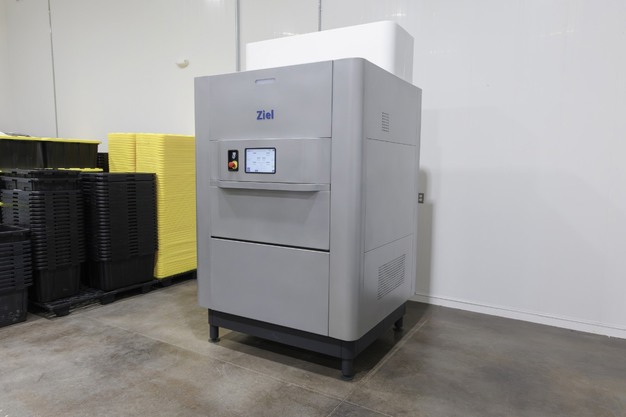
One Danish customer who has been supplying 5 to 6 tons annually is now scaling toward 20 tons. Denmark cannot match Canada's excess capacity, Arthur notes, but growers across Europe and North America see the same trend. The German market is absorbing product faster than expected, processors are running close to their limits, and every indicator points upward. "Everything is lining up," he says. "The market is telling us where it is going."
The long view
Germany's medical framework may continue to evolve, but the fundamentals are locked in. "Before anything slows down, Germany will hit 600 tons," Arthur says. "Nobody is taking a breather before that number. Imports will keep rising, domestic production will remain minimal, and the market will keep rewarding predictable, scalable supply."
Europe’s Cannabis Supply Chain in Transition: Insights from Portugal, Switzerland, and Germany
Europe’s Cannabis Market Is Changing Fast
Across Europe, the cannabis industry is entering a new stage of operational and regulatory transformation. Oversight reforms, export delays, and evolving medical-market requirements are reshaping how cannabis moves across borders. While patient demand continues to grow, the region’s supply chain is constrained by bottlenecks that determine how quickly a compliant product reaches patients..
At Ziel, we monitor these shifts to help cultivators, processors, and distributors adapt to the operational realities behind policy changes. The insights below outline trends shaping Europe’s cannabis ecosystem in 2026, focusing on Portugal’s export congestion, Switzerland’s market development, and Germany’s import restrictions.

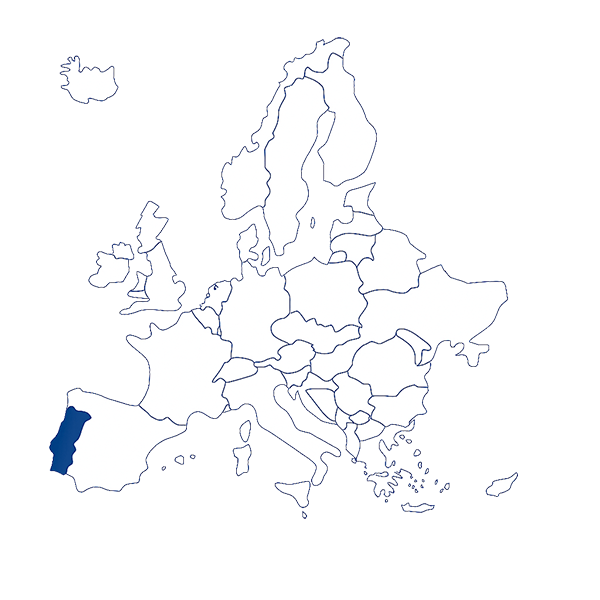
Portugal’s Logjam: When Oversight Slows Exports
Portugal remains one of Europe’s established processing hubs, with experienced operators and a mature GACP-to-GMP pathway. Exporters report that tighter verification of outbound shipments has lengthened approval timelines compared to prior years. Media coverage following enforcement actions in 2025 describes regulators focusing on license verification and documentation checks that extend timelines for operators.
Recent judicial operations, including Operation Erva Daninha in May and Operation Ortiga in July, led to arrests and seizures that pushed INFARMED to strengthen its oversight procedures. These investigations placed the agency under political pressure and triggered a wave of more thorough export reviews.
Operational Impact Reported by Exporters:
- Cash-flow strain. Slower approvals delay payments through the entire supply chain, straining cash flow for GACP cultivators around the globe utilizing the Portuguese “autobahn to Germany,” the EU-GMP processors in Portugal, and the German wholesalers and pharmacies who depend on velocity of product
INFARMED has also begun implementing a digital monitoring platform that connects with the United Nations’ National Drug Control System to track cannabis imports and exports. This new process adds data-entry and verification requirements for exporters, improving transparency but lengthening timelines.
The intent behind stricter checks is better oversight. For compliant producers, it reinforces a broader reality in Europe’s market: administrative speed is now a competitive advantage. Despite the delays, data shared by INFARMED at the 2025 Portugal Medical Cannabis Conference showed that Portugal exported more cannabis by August 2025 than during all of 2024. That momentum came to a screeching halt with delayed export licenses in tandem with Germany halting import licenses due to its exceeding its UN Narcotics quota in September.
The Shift Toward Self-Processing
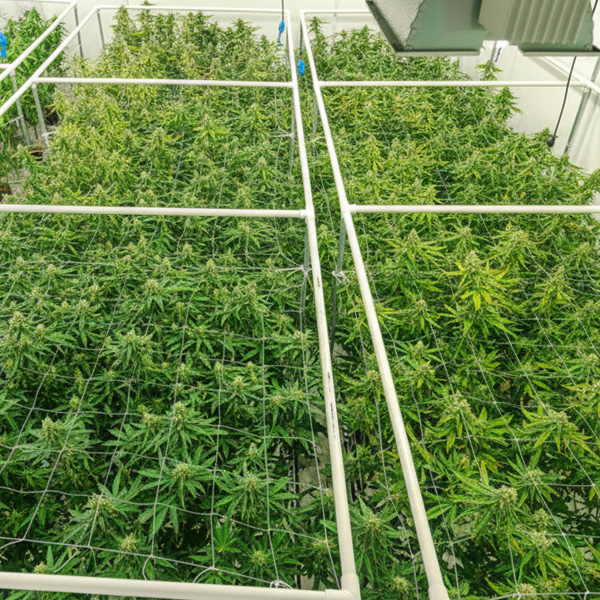
To reduce reliance on third-party ‘GMP washers’ and to protect margins, many GACP cultivators are pursuing their own EU-GMP Level 1 processing licenses. Properly authorized facilities perform microbial reduction, trimming, and packaging under documented GMP standards that meet pharmaceutical expectations.
Ziel supports this transition by supplying radio-frequency systems, process validation tools, and technical expertise that help cultivators achieve full EU-GMP compliance on-site. Managing post-harvest steps internally can streamline processing, shorten export timelines,tighter quality control, improved margins, and quicker speed to market with fresher products. This shift is also visible in countries such as Colombia, Thailand, and smaller EU states, where producers are building vertically integrated GMP operations to control every stage from cultivation through processing.
Switzerland: A Balanced, Rules-Driven Market
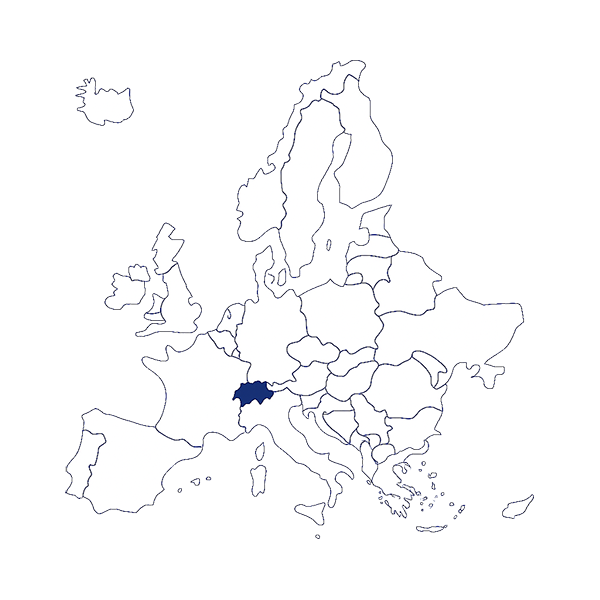
Switzerland’s 1% THC threshold for non-medical products created a strong CBD-flower base that now supports medical production. Since August 2022, cannabis for medical use has been governed by Swissmedic under the controlled-substances regime, with prescriptions permitted and exports allowed through authorization.
Industry participants at recent European conferences note that years of CBD cultivation under GACP produced skilled teams and repeatable post-harvest systems, which can ease the path to EU-GMP for medical supply. Capacity for EU-GMP flower processing remains limited.
With a clear medical rule set and seasoned operators, Switzerland functions as a bridge between non-EU cultivators and European buyers.
Germany: The Quota That Slowed the Continent
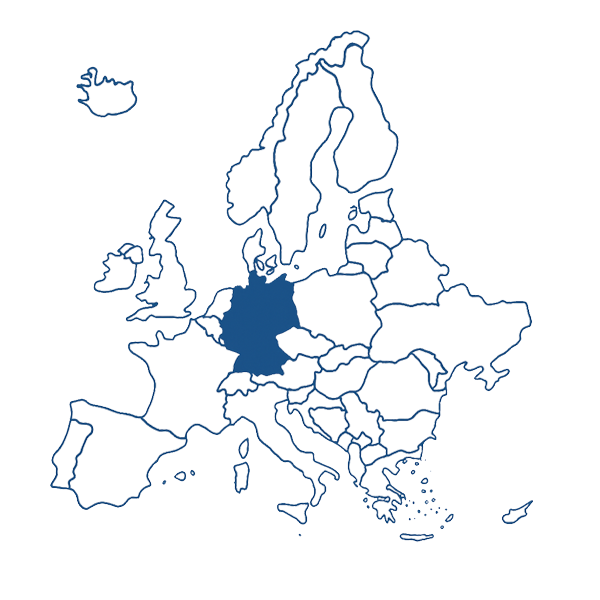
Germany remains Europe’s largest medical market and a clear example of policy setting the pace of trade. Trade publications, citing statements attributed to the Federal Institute for Drugs and Medical Devices (BfArM), reported in September 2025 that no new permits for imports of dried cannabis would be granted for the remainder of the year, referencing an annual quantity of 122 tons. While this was not a formal import ban, it halted granting new import licenses until the quota was raised in late October to 192.5 tons for calendar 2025. The market essentially froze up for 2 months while tons of product sat outside Germany’s borders. timelines for pending shipments.
Reported Effects Include:
- Wholesaler shortages that complicate pharmacy fulfillment.
- Extended storage and stability work for exporters holding inventory longer than planned.
- Price pressure as well-stocked producers compete for limited permit windows.
- Price erosion for exporters. Cannabis is perishable, and cannabis aging in a warehouse depreciates in value every day it sits out of the market.
The takeaway is clear: demand exists, but throughput depends on permit allocation and processing speed.
A Common Theme: Compliance Bottlenecks Over Cultivation Gaps
Across Europe, the problem is less about growing capacity and more about process. Oversight delays, certification limits, and import caps slow movement across producing countries.
- Portugal faces export-verification backlogs.
- Switzerland has limited EU-GMP flower processing capacity relative to demand.
- German demand is outpacing annual import quotas set by the UN Narcotics Treaty (which cannabis still falls under) leading to distribution interruptions until quotas can be reset, is subject to annually negotiated UN Narcotics caps
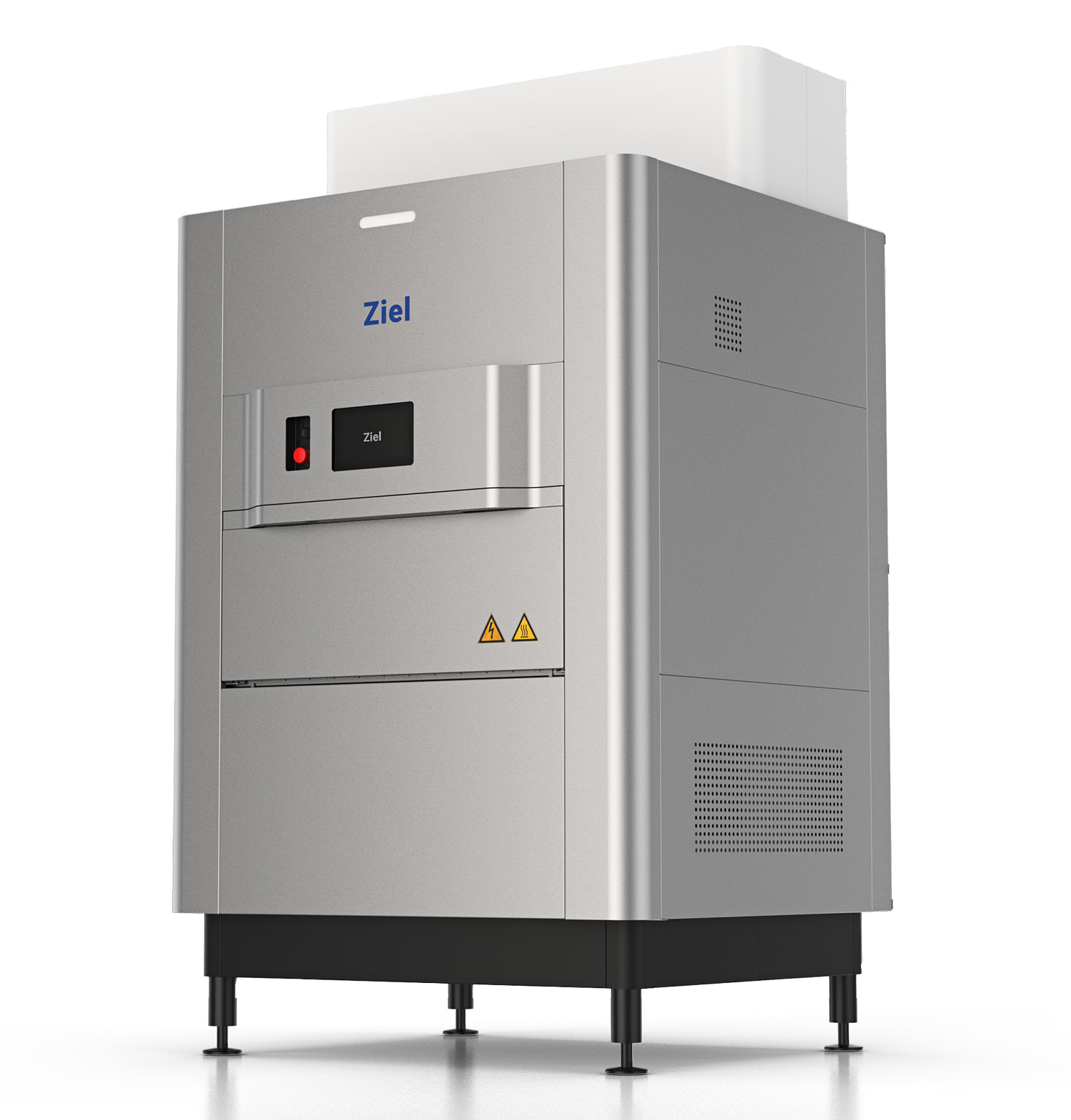
Ziel’s technology supports this needed agility, helping producers integratepost-harvest decontamination solutions on-site that maintain microbial safety, preserve quality, and accelerate product to market.

What Comes Next: Data-Driven Progress
Sustainable growth now depends on efficiency. As more cultivators move to self-processing and EU-GMP certification, Ziel will continue to help teams meet compliance requirements and achieve predictable throughput across borders.
By combining EU-GMP validated Radio Frequency technology with data-backed process controls, Ziel enables businesses to move compliant cannabis safely, predictably, and profitably throughout the European medical supply chain.
References
- StratCann – “Germany: No new import permits for dried cannabis in 2025.”
- MMJ Daily – “Germany: No new import permits for medical cannabis for now.”
- ManoxBlog – “Germany cannabis import permits suspended; maximum quantity of 122 tonnes reached.”
- Swissmedic – “Medical cannabis regulation and export authorization guidance.”
- Swiss Government (Federal Office of Public Health) – “CBD products and the 1% THC limit.”
- Business of Cannabis – “Portuguese enforcement actions highlight licensing and export compliance issues.”