Who Is Exporting Cannabis to Germany?
The Supply Question Everyone's Asking
Germany's medical cannabis market imported over 72 tonnes in 2024. In 2025, that number jumped to roughly 201 tonnes.¹ By 2026, the trajectory points to roughly 250 tonnes (Ziel’s projection based on BfArM full-year 2025 data of 201 tonnes and a conservative 1.3–1.5x growth rate). Longer-term projections suggest the market could exceed 600 tonnes annually as capacity and access expand. 7
With limited domestic supply and surging demand, Germany imported more than 95% of its needs. Who's shipping all that cannabis?
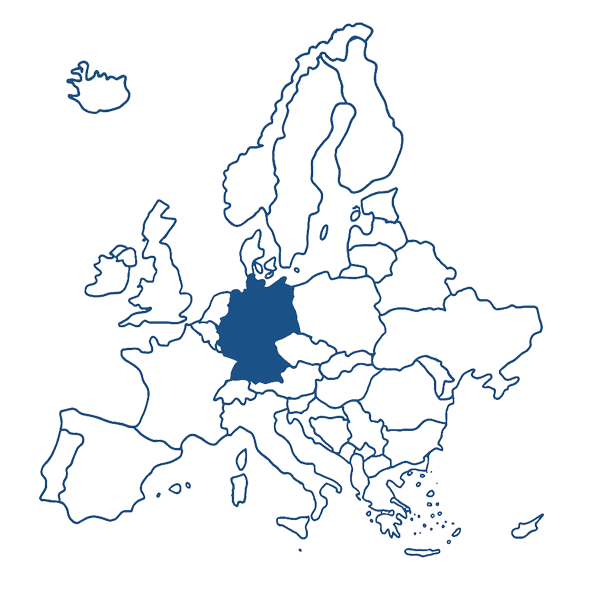
The short answer is Canada, which provides nearly 50% of all the medical cannabis imported into Germany. Portugal comes in second, functioning as Europe's main processing hub, and a second tier of countries, including Denmark, the Netherlands, North Macedonia, Colombia, and Australia, fills in the rest. 2
What "Exporting to Germany" Actually Means
Germany's Cannabis Act (CanG) changed adult-use possession and home cultivation rules when it passed in April 2024. It didn't open cross-border recreational shipping to consumers. That's still illegal. 3
The long answer involves understanding that "who ships" depends on three things:
1) where the flower originates (GACP certified),
2) where it gets processed to meet EU GMP standards, and
3) who has the regulatory approvals and compliance systems to move it through Germany's pharmaceutical distribution channels without delays.
Get all three right, and product flows. Miss one, and batches sit in limbo, creating supply chain bottlenecks and a cascading financial impact on the entire supply chain.
Medical imports? Those took off fast.
Germany’s Import Curve Didn't Climb, It Leapt
BfArM-tracked imports show a market that went from growing gradually to increasing dramatically after CanG was passed. 2

The jump from 2024 to 2025 matters. Imports hit roughly 142 tonnes in the first nine months alone, including 56.9 tonnes in Q3. The 2026 estimate assumes growth slows from the 2.6x jump (2024 to 2025) down to something closer to 1.3–1.5x as the market matures and regulatory pacing acts as a brake. 2
That shift changes the bottleneck for exporters and processors. The limiting factor stops being "can you grow it?" and becomes "can you clear EU-GMP processing, meet microbial regulatory compliance, and provide repeatable quality at scale?”
Most operators underestimate this until they stumble and miss a step.
What the Export Market Looks Like in 2026
By late 2025, the supply chain consolidated: Canada anchors supply at nearly half of total imports, Portugal functions as the main European processing and export hub, and a widening set of smaller origins fills in behind them. 4
2026 Germany Market Share Increase/Decrease
| Origin / Hub | 2025 Tonnes | 2026 Outlook |
|---|---|---|
| Canada | 93.0 t | ▲▲ |
| Portugal | 55.2 t | ▼▼ |
| Denmark | 9.3 t | ▲▲ |
| North Macedonia | 8.2 t | ▲ |
| Malta | 4.9 t | ▲ |
| Spain | 4.8 t | ▲ |
| Czech Republic | 4.7 t | ▲▲ |
| Australia | 4.2 t | ▲▲ |
| UK | 3.6 t | ▲ |
| Colombia | 3.5 t | ▲ |
| South Africa | 3.7 t | ▲ |
| Netherlands | 2.4 t | ▼▼ |
| Austria | 0.9 t | ⚪ |
| Lesotho | 0.7 t | ▲ |
| Argentina | 0.6 t | ▼ |
| Switzerland | 0.5 t | ⚪ |
| Greece | 0.4 t | ⚪ |
| Uruguay | 0.2 t | ▼ |
| Thailand | ~0.1 t | ▲▲ |
| New Zealand | 0.1 t | ⚪ |
| Poland | <0.1 t | ⚪ |
| Israel | <0.1 t | ▼ |
| Total | ~201 t | ▲▲ |
Key:
▲▲ Strong increase
▲ Modest increase
⚪ Stable/unclear
▼ Modest decline
▼▼ Significant decline
Germany’s Cannabis Supply Chain in Practice
The clean version: cultivate to GACP standards, process to EU GMP standards, clear quality specs, import efficiently under BfArM regulatory controls through pharmaceutical wholesalers, and dispense through pharmacies. 5
The real version? Potential friction points happen along the way, and they are tedious and expensive.
- Microbial failures trigger rework
- Irradiation approvals for ionizing treatments (AMRadV) take months and cost thousands
- Batch documentation gaps delay release
What Germany's 2025 Import Approvals Tell You About 2026 Planning
In September 2025, Germany reached its narcotics import ceiling of 122 tonnes as determined under UN treaty guidelines, set annually. BfArM confirmed that while this did not constitute an outright import ban, new applications faced significant processing delays. Imports for cannabis, still recognized as a narcotic by the UN treaty, could not be licensed until the quota was adjusted. After a 2-month delay, the ceiling was increased to 192.5 tonnes and import licenses again started to flow. 6
The read for 2026 planning isn't "Germany will shut the door." It's that the system is capacity-managed, and import planning needs to factor in this constraint.
Why Selecting the Right Microbial Decontamination Technology Matters Even More When Exporting to Germany
As volumes increase, operational efficiency and inventory turnover drive profitability for all stakeholders in the supply chain. Any misstep that slows down product along the supply chain is sand in the gears.
Firstly, Germany has a bias against ionizing radiation - gamma and X-Ray. BfArM requires any strain treated with ionizing radiation to be registered. The AMRadV registration process costs time (6-12 months) and money (€5,000 per strain).
Secondly, decontamination with ionizing radiation is expensive, whether performed on-site (X-Ray) or off-site (gamma). X-Ray is slow, and sending product off-site is not only expensive, but adds another layer of administrative complexity.
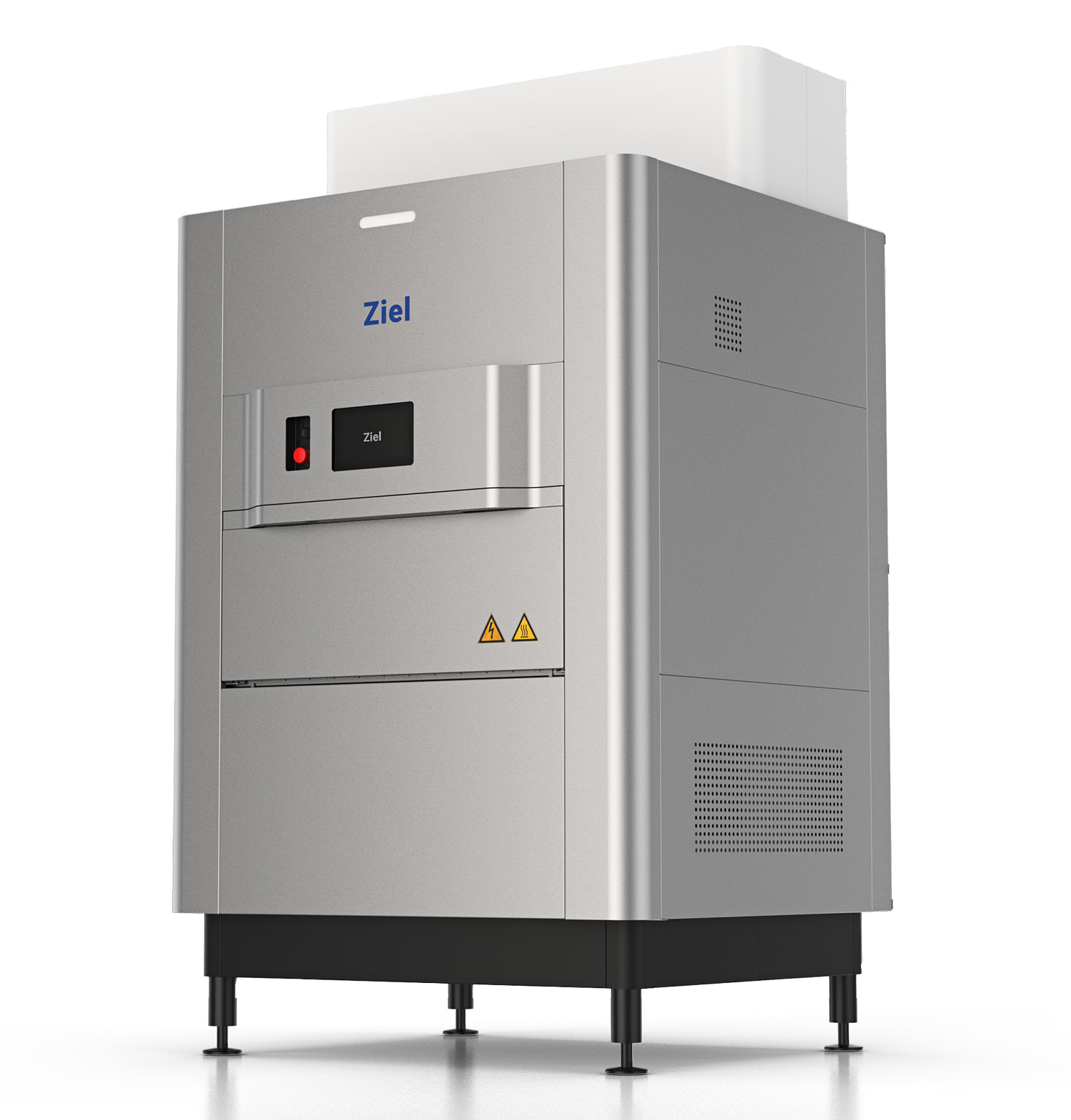
Ziel’s decontamination solution uses radio frequency, a non-ionizing radiation that avoids the AMRadV registration requirement. It also has the highest throughput, resulting in the lowest processing cost per gram: less than one fourth the cost of the ionizing alternatives.
Smart operators exporting to Germany are incorporating Ziel’s non-ionizing kill step into their SOPs, streamlining import processes, getting their product on the shelves faster, and positioning their business operations with a scalable technology.
Ziel’s radio frequency solution is rapidly becoming the technology of choice for exporters targeting Germany, with customers in Canada, Portugal, Denmark - the leading suppliers to Europe’s largest market.

What Exporters Planning for Increased 2026 Germany Volumes Need to Know
If your goal is to supply Germany's medical channel in 2026, treat these as non-negotiable:
EU GMP facilities need to have scalability to meet increasing demand
Successfully coming through your EU GMP audit doesn't mean you can handle 3x the throughput six months later. This is where scalability matters. Invest in a high-throughput, EU GMP-compliant decontamination technology to integrate into your SOPs so you can keep up with increased demand.
A decontamination solution is part of your SOPs.
Using Ziel's Business Case Calculator, cultivators can determine how much revenue RF can recover by increasing harvest yields, avoiding compliance failure, and eliminating the need to send contaminated product off to extraction. This also eliminates subsequent costs for retesting.
Life Cycle Cost Analysis
Make equipment purchase decisions based on planned volumes, CAPEX and OPEX over the life of the equipment. Your CFO will thank you.
What's Changing Heading Into the Rest of 2026
Germany's medical market mechanics shifted following CanG, with the law removing cannabis from narcotics classification, eliminating the burdensome administrative requirements for prescribing doctors, wholesalers, and pharmacies. Telemedicine increased ease of access for patients, removing the initial in-person doctor visit. And mail order resolved distribution gaps. Taken all together, it supercharged demand in 2025. 3
In 2026, legislation is under review to rein in telemedicine, require in-person doctor visits, and restrict mail delivery—any or all of which could slow the pace of growth
Key Predictions 2026
- ✓ Who is shipping cannabis to Germany in 2026 comes down to the import supply chain mix and processing hubs: Canada will retain its dominant export position, Denmark will move comfortably into 3rd position, and Czech Republic and Switzerland will challenge Portugal’s position as Europe’s processing hub with its proximity to Germany and the logistical advantages.
- ✓ Germany will remain an import-driven market: over 72 tonnes in 2024, 201 tonnes for full-year 2025. 2026 is projected to reach roughly 250 tonnes, though final figures have not yet been released.
- ✓ Emerging suppliers include Colombia and Australia, which are already showing up in origin tables even if they don't yet lead headlines.
- ✓ Denmark will increase its German market share to above 5%.
- ✓ GACP operators adding EU GMP capability, along with price compressions, will shift supply away from 3rd party processors.
- ✓ At higher volumes, processing and microbial compliance become the release gate. Ziel's non-ionizing Radio Frequency technology keeps throughput up while avoiding the extra approval path Germany mandates for ionizing radiation treatments such as gamma and X-Ray.
- ✓ Who is shipping cannabis to Germany in 2026 will also be shaped by approval pacing. 2025’s torrid pace was interrupted by ceiling caps; 2026 numbers have yet to be released.
References
- International CBC — "Germany Imported Over 201 Tonnes Of Medical Cannabis In 2025" (March 3, 2026) — internationalcbc.com
- Business of Cannabis — "Germany's Medical Cannabis Imports Surge a Further 19%" (November 24, 2025) — businessofcannabis.com
- CMS Law — "CMS Expert Guide to a Legal Roadmap to Cannabis: Germany" — cms.law
- International CBC — "German Medical Cannabis Imports Increased Over 457% In One Year" (May 26, 2025) — internationalcbc.com
- BfArM — Federal Institute for Drugs and Medical Devices — bfarm.de
- StratCann — "Germany Increases Medical Cannabis Import Limit by 70 Tonnes" (October 23, 2025) — stratcann.com
- MMJDaily — "Germany's Medical Cannabis Market Is Racing Toward 600 Tons of Annual Imports" (December 11, 2025) — mmjdaily.com