RF vs X-Ray Decontamination
Comparison of Cannabis Efficacy and Quality Characteristics
The Hidden Cost of Contamination Control for Growers
For commercial growers, remediation is not just about passing a microbial test. It’s about protecting the value already built into the flower.
Potency, aroma, and consistency are the result of months of cultivation work. A single post-harvest intervention can either preserve that value or quietly erode it. That risk is why decontamination choices matter more than most people expect.
A US-based multi-state operator compared two microbial decontamination methods: Radio Frequency (RF) and X-Ray, evaluating their impact on microbial load, potency, terpene and moisture of finished flowers.

RF and X-Ray Systems
Two systems were evaluated at a US-based multi-state operator facility:
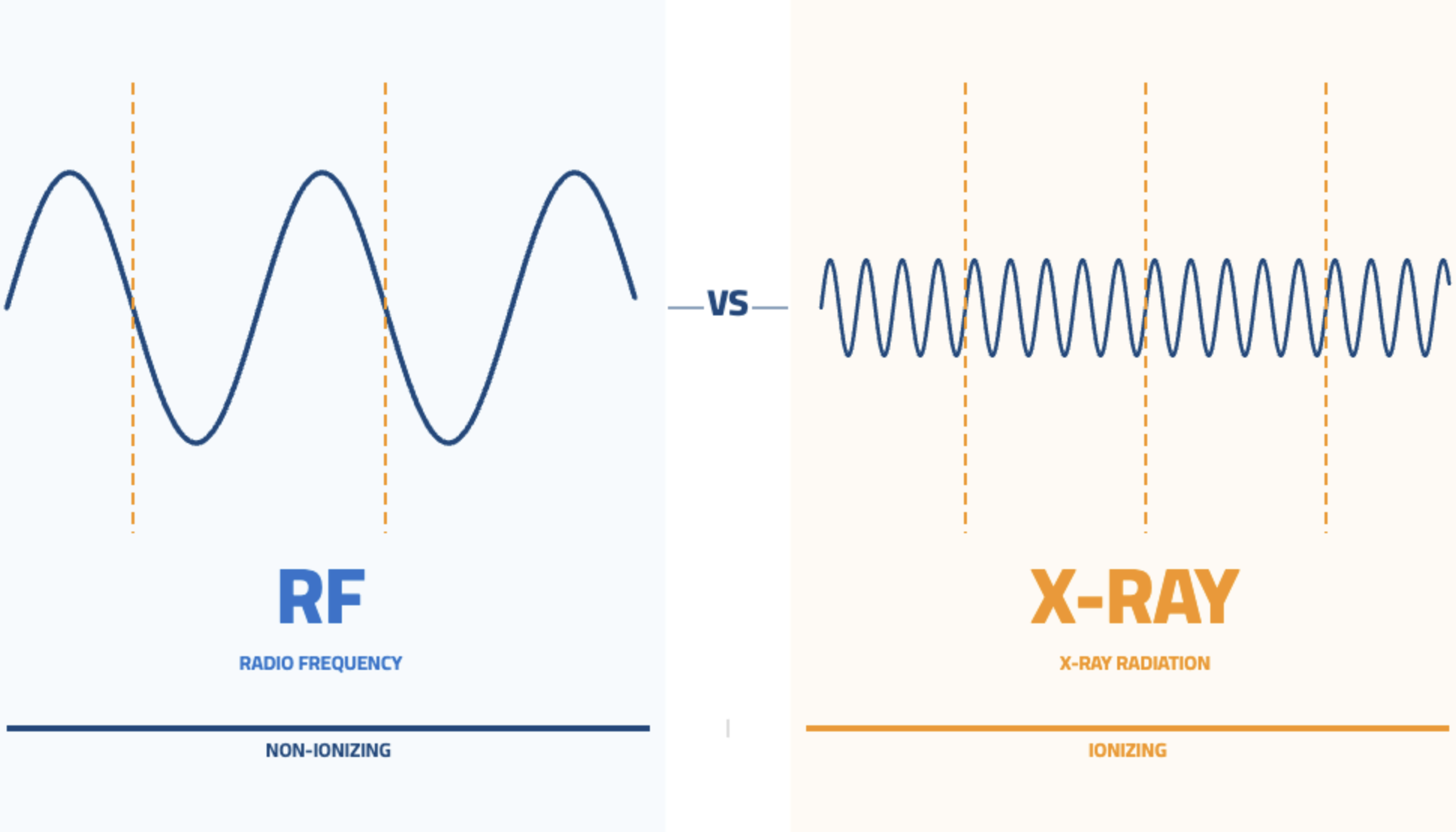
- Ziel RFX, using Radio Frequency technology categorized as non-ionizing radiation
- X RAY (Competitor Name Redacted), using X-Ray technology categorized as ionizing radiation
Five commercial flower lots, referenced here as Strains A through E were selected. For each strain, untreated, radio-frequency (RF)-treated, and X-Ray-treated flowers were analyzed.
All analyses were performed by the same third party laboratory.
Potency Outcomes Across Strains A–E
Total THs is the primary driver of psychoactive potency and strongly influences consumer perception and pricing in many markets. Accordingly, total THC was measured to evaluate potential treatment-related changes in the overall potency of cannabis flower. The “Pre and Post Treatment Data” table reports Total THC values for each strain and treatment condition.
| Strain | Pre-Treatment THC (%) | Post RF THC (%) | Post X-Ray THC (%) |
|---|---|---|---|
| A | 29.979 | 34.483 ↑ | 29.690 |
| B | 24.229 | 25.812 | 25.540 |
| C | 24.213 | 29.761 ↑ | 24.230 |
| D | 24.197 | 23.026 | 23.730 |
| E | 24.107 | 27.608 | 26.490 |
Source: US cannabis industrial facility
What This Table Shows Clearly:
Observed changes in total THC were generally within expected lot variability for strains B, D, and E. However, strains A and C exhibited changes exceeding typical lot-to-lot variation.
Analysis of variance (ANOVA) revealed a marginal effect of treatment on total THC. RF-treated samples exhibited higher total THC compared to both the untreated and x-ray treated samples; however, this difference did not reach statistical significance in the overall analysis (p<0.05). The observed increase in total THC in RF-treated samples could be attributed to the nature of RF treatment being thermal treatment.
Terpenes, Moisture and Quality
Total Terpene percentages and moisture content by strain and treatment condition is shown in Table 1. Average total terpene content was comparable between the two microbial reduction methods, with variability driven more by strain - to- strain differences than by treatment effects. Some strains showed slightly higher terpene retention following RF treatment, while others were marginally higher under X-ray treatment, indicating no consistent directional loss associated with RF processing.
Average moisture content remains stable and comparable between RF and x-ray samples. Differences observed among samples were within the normal variation of moisture content of flowers within one lot. All samples retain their moisture content post treatment.
For products marketed on aroma, and sensory quality, maintaining terpene content and moisture levels is an important aspect of quality control, as these attributes contribute to product aroma, texture, and overall consumer acceptance. Collectively, these results indicate that RF treatment preserved moisture and terpene content within ranges considered commercially and organoleptically acceptable to consumers.
Microbial Reduction Outcomes
Microbial results : TAMC, BTGN, coliforms, TYMC, Salmonella, and E. coli counts for pre and post treatment samples are reported in Table 1.
Starting microbial loads varied substantially among lots, ranging from 91 CFU/g to TNTC (too numerous to count), reflecting variation between strains.
Both RF and X-ray treatments reduced TYMC levels across all samples evaluated. It should be noted that baseline microbial loads for other microbial groups across all lots were generally low or absent in pre-treatment samples. However, any remaining detectable microbial populations were eliminated following RF treatment.
| Marker | RF Outcome | X-Ray Outcome |
|---|---|---|
| TYMC | Reduced in all lots | Reduced in all lots |
| TAMC | Remaining populations eliminated | Generally low baseline |
| Coliforms | Remaining populations eliminated | Generally low baseline |
| Salmonella / E. coli | Remaining populations eliminated | Generally low baseline |
Why Growers Favor Non-Ionizing RF
The distinction between non-ionizing RF and ionizing X-Ray is not purely theoretical; it directly influences how energy interacts with plant material.
Does not break chemical bonds
Breaks chemical bonds via ionization
For growers balancing regulatory compliance with product quality and margin protection, RF presents a lower quality-risk profile under real operating conditions.